
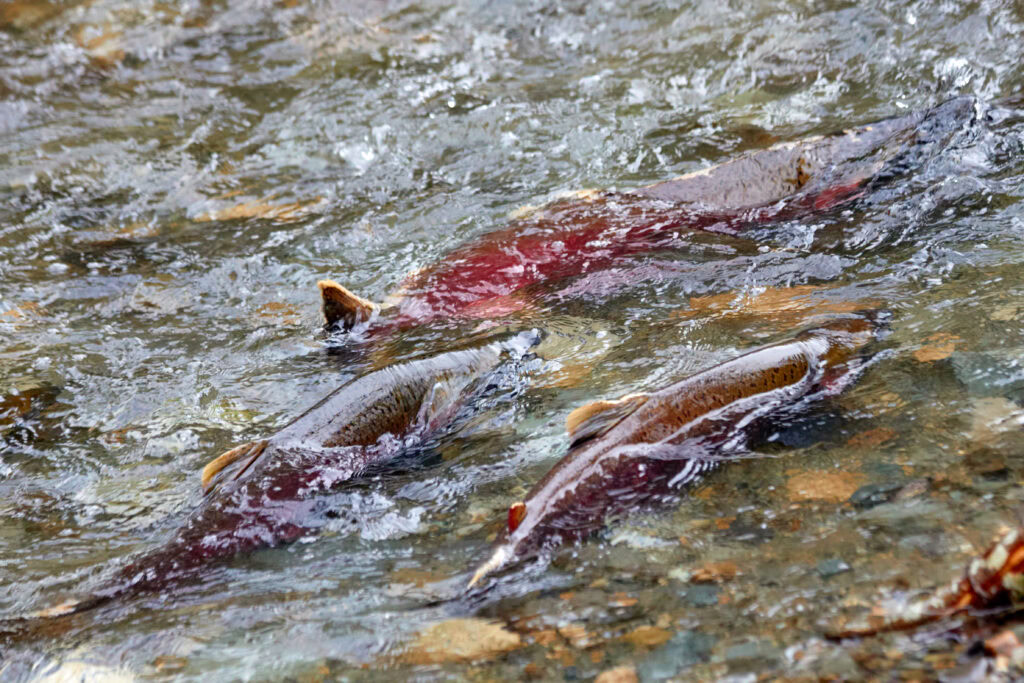
Coho salmon are one of the most exciting fish in Lake Michigan, rewarding anglers who understand how they behave and what triggers strikes. Known for aggressive hits and acrobatic fights once hooked, coho offer a style of fishing that stands apart from other salmon species on the lake. Knowing a few things before you go can make a major difference in how the day unfolds.
Understand When Coho Are Most Active
Coho salmon on Lake Michigan follow a seasonal pattern that shapes everything about how and where to target them. Spring is the most accessible window, typically running from April through June, when coho move into transitional water between offshore cold and nearshore warmth. This concentration of fish in predictable zones makes spring the preferred season for many charter anglers, and coho caught during this window are aggressive and often found at depths that do not require heavy gear to reach.
The fall also produces coho as the lake cools and fish begin staging ahead of their spawning run. Fall coho tend to be larger than spring fish and are found closer to river mouths and nearshore areas as the season progresses. Both windows offer genuine opportunities, but they require different approaches, and knowing which season you are fishing helps frame every other decision about where to go and how to set up.
Pay Attention to Depth
In spring, coho are frequently found in the the upper portion of the water column, often 10 to 40 feet down in spring, particularly when baitfish are concentrated near the surface. Running lures too deep on a coho-focused trip is a common mistake that puts presentations below where the fish are actively feeding, and the electronics on a well-run charter boat tell a clear story about where the fish are suspended on any given pass.
As the season progresses and surface temperatures climb, coho do push deeper. Keeping a portion of the spread in the mid-column while also covering shallower water gives the best coverage during those transitional periods when fish can be scattered across a range of depths. A captain who has spent seasons reading coho behavior on this lake knows where to start and when to adjust.
Match the Presentation to What Coho Salmon Want
Coho respond strongly to speed, flash, and erratic action, which is why spoons are one of the most consistent producers for this species throughout the season. Bright finishes in blue, green, and chartreuse have long track records on Lake Michigan coho, particularly when alewives are the primary forage and the water has some color to it. The retrieve and trolling speed matter as much as the lure choice, and coho often prefer a slightly faster presentation than king salmon will tolerate.
Be Ready When a Coho Hits
Coho are known for what happens after the strike, and unprepared anglers are frequently caught off guard by how quickly the fight escalates. A hooked coho often rockets toward the surface and clears the water entirely, and this acrobatic response can shake a hook if the angler drops the rod tip or lets tension go slack during the jump. Keeping the rod up and maintaining steady pressure through the jumps is the single most important thing an angler can do to keep a coho buttoned.
Coho also make fast runs toward the boat that can create slack line if the angler does not reel quickly to keep up. The fight is not necessarily as long or as grinding as a large king salmon, but it is intense, unpredictable, and genuinely exciting from start to finish. First-time charter anglers often find that coho deliver some of the most memorable moments of the day precisely because of that volatility, and the fish are large enough to feel substantial in the net when everything goes right.
Fish With Someone Who Knows the Lake
Coho fishing on Lake Michigan is accessible to anglers of all experience levels, but the details that separate a slow day from a productive one are the kind of thing that only comes from time on the water. Water temperature data, bait location, spread configuration, and the adjustments that happen throughout the day all reflect knowledge that builds over seasons, not a single trip. A charter with an experienced captain removes the guesswork and puts anglers in a position to fish rather than troubleshoot.
For anyone who wants to learn about the lake and develop their own instincts for coho fishing, a charter is also the fastest way to learn. Watching how a spread is built, understanding why lures are set at specific depths and distances, and seeing firsthand how a captain responds to what the electronics are showing are all things that transfer into better fishing for years after the trip. Coho are a species worth understanding well, and Lake Michigan is one of the best places in the country to do it.
Ready to Get After Coho on Lake Michigan?
If coho salmon are on your target list this season, Penrod & Reel runs spring and fall charters out of southwest Michigan with the local knowledge to put you on fish. Book a charter and spend a day on the water chasing one of the most exciting fish Lake Michigan has to offer.